Product Introduction
We supply equal and unequal angle steel in A36, S355JR, Q355B, and SS400. Custom cutting, drilling, galvanizing, inspection, and export supply available.
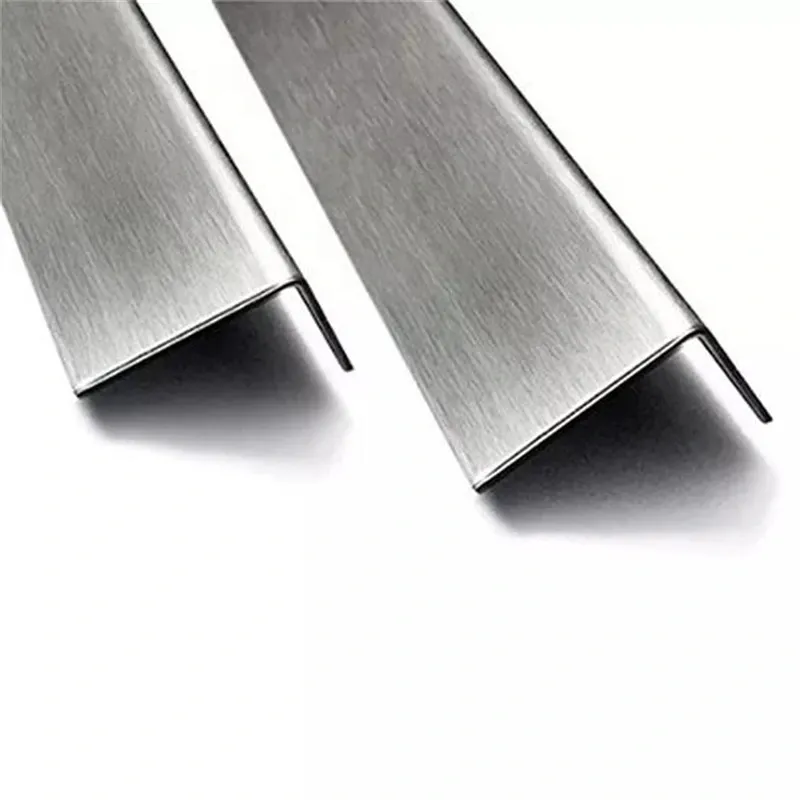


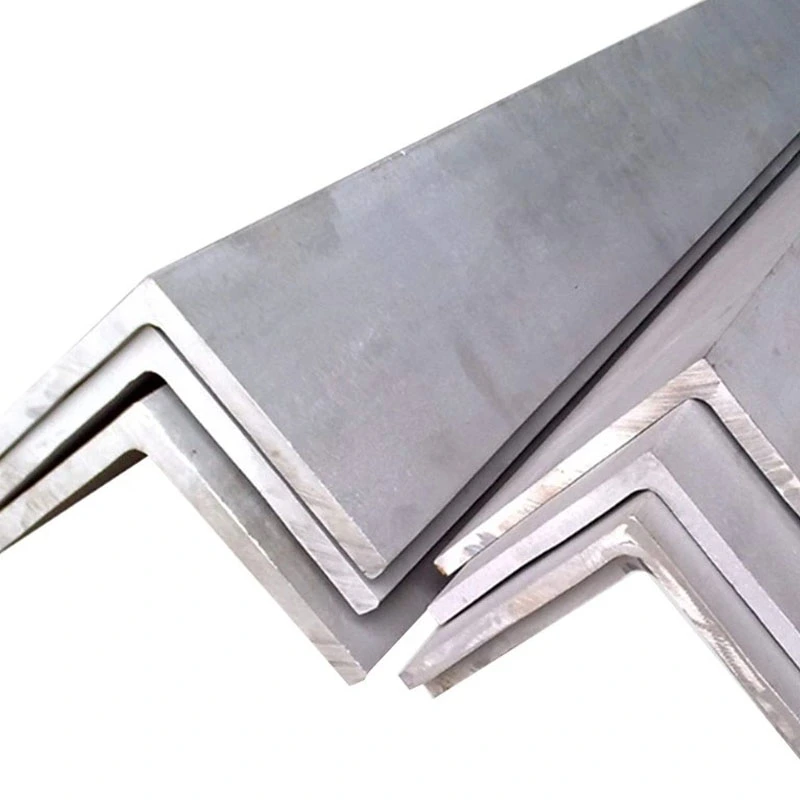
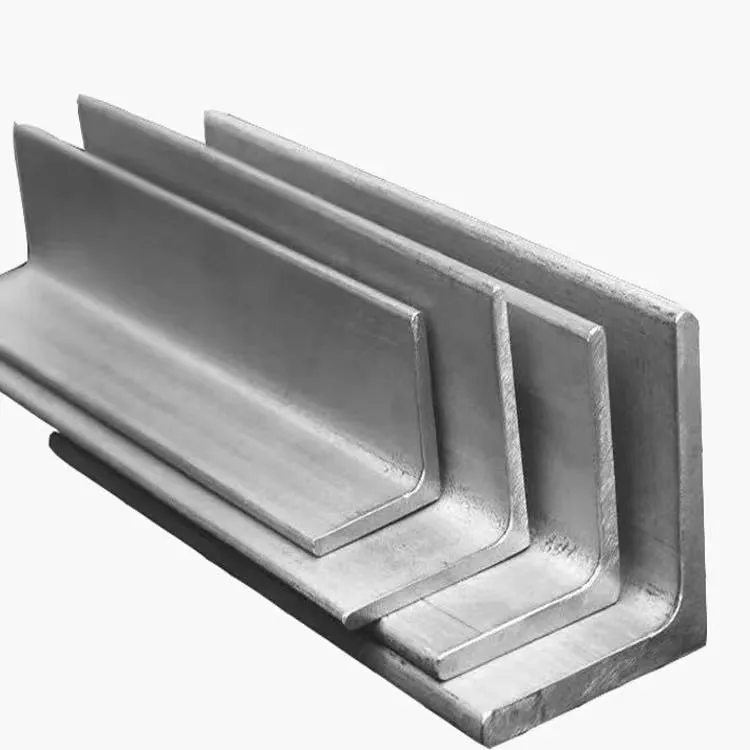
Angle steel is an L-shaped structural profile with two legs joined at a right angle. Its simple shape provides good strength, easy connection, and efficient use of material. Therefore, manufacturers and contractors use it for frames, brackets, supports, towers, platforms, machinery, and many other fabricated structures.
ZES Metals supplies equal and unequal angle steel in standard and custom specifications. Buyers can select the grade, leg dimensions, thickness, length, surface condition, and processing method. We also support cutting, drilling, punching, coating, inspection, and export packaging for bulk and project orders.
Our product range supports general fabrication, construction, equipment manufacturing, infrastructure, and OEM production.
| Product Item | Available Options |
| Profile types | Equal angle, unequal angle, and fabricated angle |
| Common grades | A36, A572 Gr.50, S235JR, S275JR, S355JR, Q235B, Q355B, SS400 |
| Typical equal leg size | 20 × 20 mm to 250 × 250 mm |
| Typical thickness | 3–35 mm |
| Standard lengths | 6 m, 9 m, and 12 m |
| Custom length | Available from drawings or cutting lists |
| Surface condition | Black, pickled, oiled, shot-blasted, primed, or galvanized |
| Processing | Cutting, drilling, punching, notching, and welding |
| Standards | ASTM, EN, JIS, GB, or agreed specifications |
| Documentation | Mill Test Certificate and inspection report |
Available dimensions vary according to the grade and production standard. Final leg size, thickness, radius, theoretical weight, and tolerance are confirmed before production.
Equal angle steel has two legs of the same width. Its balanced shape makes positioning and connection simple. It is widely used for frames, trusses, racks, towers, supports, and general steel fabrication.
Common equal-angle specifications include:
25 × 25 × 3 mm
40 × 40 × 4 mm
50 × 50 × 5 mm
75 × 75 × 6 mm
100 × 100 × 10 mm
150 × 150 × 12 mm
These examples are general market sizes. Buyers should specify the applicable standard because corner radius, thickness tolerance, and theoretical weight may differ between standards.
Unequal angle steel has one long leg and one short leg. This design is useful when the connection area, load direction, or available installation space differs on each side.
Typical applications include equipment frames, bridge components, vehicle structures, platforms, ship structures, and support brackets. The wider leg can provide a larger connection surface, while the narrower leg helps reduce weight or fit within a limited space.
An unequal angle should be specified by long leg, short leg, and thickness. For example, 100 × 75 × 8 mm describes a profile with a 100 mm leg, a 75 mm leg, and an 8 mm nominal thickness.
Angle steel grade affects strength, weldability, toughness, and project compliance.
ASTM A36 angle steel is widely used for general structures and fabricated products. It offers practical strength and good welding performance.
ASTM A572 Grade 50 provides higher yield strength. Therefore, it is suitable for heavier loads and structures where designers want to control total weight.
S235JR and S275JR angle steel support many general European projects. In contrast, S355JR provides greater strength for industrial buildings, platforms, towers, and infrastructure.
Q235B angle steel is a common option for general fabrication. Q355B offers higher strength for more demanding structures and machinery.
SS400 angle steel is used in construction, equipment, transport systems, and projects that follow Japanese or related standards.
Grades from different standards may have similar uses, but they are not automatically equivalent. Buyers should confirm the full standard, grade, impact requirement, and delivery condition with the project engineer.
Our steel grade and application guide provides more information about matching material grades to loads and service environments.
Angle steel should not be ordered by leg size alone. Small dimensional differences can affect bolt alignment, welding gaps, and finished frame accuracy.
A complete specification should include:
Equal or unequal angle
Leg dimensions
Nominal thickness
Inside corner radius
Material grade
Applicable standard
Length and tolerance
Straightness
Squareness
Surface condition
Processing requirements
For bolted assemblies, drawings should also show the hole diameter, hole spacing, edge distance, and reference face. For welded structures, buyers should state whether mill scale must be removed before delivery.
Pre-processed angle steel can move directly into assembly. As a result, buyers can reduce cutting waste, labor, and machine setup time.
Available services include:
Fixed-length cutting
Straight and miter cutting
CNC sawing
Hole drilling
Slot processing
Punching
End notching
Edge deburring
Bracket fabrication
Welding and assembly
Part marking
Kit-based packaging
We process components according to drawings, cutting lists, or approved samples. For repeat orders, production records can help maintain consistent dimensions and part identification.
Buyers who also require solid rectangular supports can source custom stainless steel flat steel through the same supply channel.
Black angle steel retains its hot-rolled mill surface. It is suitable for buyers who plan to complete welding, cleaning, and painting after fabrication.
Shot blasting removes loose scale and prepares the surface for coating. A shop primer can then provide temporary protection during transport and assembly.
Hot-dip galvanized angle steel provides better resistance in outdoor, humid, and exposed locations. It is commonly selected for communication towers, solar supports, utility structures, fencing, agricultural facilities, and outdoor platforms.
Coating requirements should state the preparation method, coating type, thickness, color, and service environment. Galvanizing holes and drainage points should also be considered for fabricated assemblies.
Angle steel is used in both load-bearing and non-load-bearing structures.
Common applications include:
Building frames and roof trusses
Transmission and communication towers
Solar mounting structures
Warehouse racks
Machinery frames
Equipment brackets
Conveyor supports
Platforms and walkways
Truck and trailer components
Bridge bracing
Agricultural structures
Fencing and gates
Shelving systems
Modular buildings
For machinery and mining-related material requirements, buyers can also review our carbon steel supply solution.
Each order is inspected according to the approved specification. Quality checks can include:
Chemical composition
Yield and tensile strength
Leg width and thickness
Section squareness
Straightness and twist
Length tolerance
Weight per meter
Surface condition
Hole size and position
Galvanized coating thickness
Quantity and bundle marking
Heat numbers link the angle steel to the related mill records. Qualified shipments can include an EN 10204 Type 3.1 Mill Test Certificate or other agreed material documents. Third-party inspection can also be arranged before shipment.
Standard angle steel is packed in reinforced bundles with steel straps. Short processed parts may be placed in wooden cases or steel frames. Waterproof wrapping and end protection are available when required.
Each bundle can display the grade, angle size, length, heat number, quantity, weight, and purchase order reference. Processed parts may also be separated by assembly number or construction zone.
ZES Metals supports mixed sizes, phased project delivery, container loading, and repeat supply programs for distributors, fabricators, and contractors. Related steel products and structural profiles can be consolidated into the same purchasing plan.
Please provide:
Equal or unequal angle type
Leg dimensions and thickness
Material grade and standard
Required length
Total quantity or weight
Surface treatment
Cutting and hole drawings
Inspection documents
Packaging requirements
Delivery destination
Our team will review the specification and provide a suitable material option, processing plan, inspection method, packaging proposal, delivery schedule, and quotation.
What is the difference between equal and unequal angle steel?
Equal angle steel has two legs of the same width. Unequal angle steel has one longer leg and one shorter leg for offset connections or space-limited designs.
Can angle steel be supplied in custom lengths?
Yes. Standard mill lengths and fixed-length cutting are available. Miter cuts and deburred ends can also be provided.
Can you drill or punch holes before shipment?
Yes. Hole drilling, punching, slotting, and notching are available according to approved drawings.
Is galvanized angle steel suitable for outdoor projects?
It is widely used outdoors. However, coating thickness and steel grade should match the actual humidity, salt exposure, chemicals, and expected service life.
Can several sizes be combined in one shipment?
Yes. Mixed sizes and processed parts can be combined when the packaging and container-loading plan allows.