Product Introduction
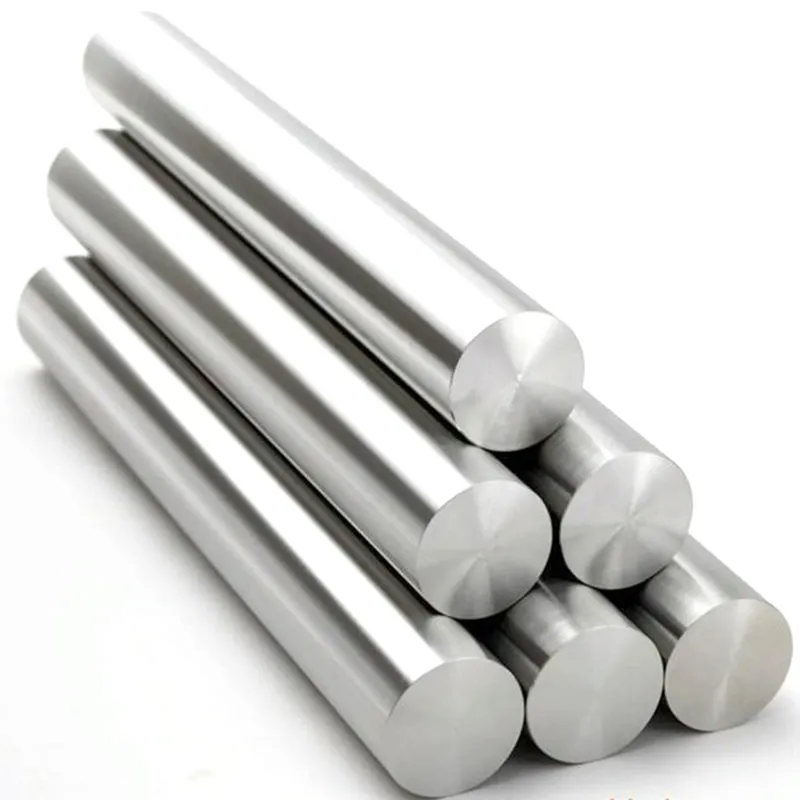
Source carbon, alloy, and stainless steel round bar with controlled diameter, straightness, hardness, finish, cutting, inspection, and export supply.
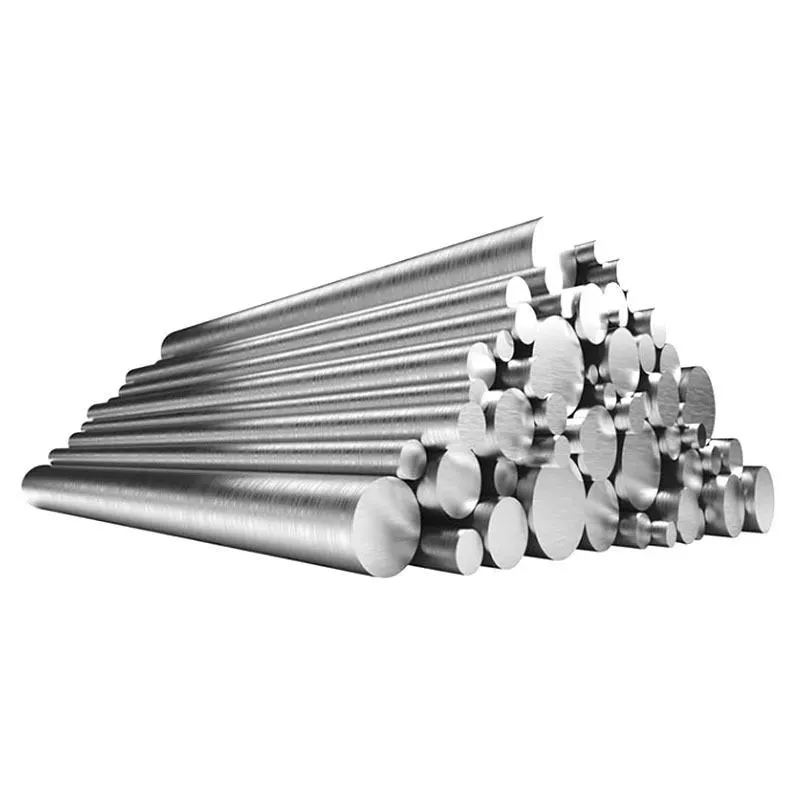


Steel round bar is solid cylindrical stock used to manufacture shafts, pins, fasteners, rollers, valves, fittings, and other mechanical parts. However, buying the correct bar requires more than choosing a grade and diameter.
Straightness affects automated feeding. Surface defects can remain after turning. Hardness variation may change tool life. In addition, an unsuitable delivery condition can increase machining time and material waste.
ZES Metals supplies carbon, alloy, and stainless steel round bars for OEM manufacturers, machine shops, fabricators, distributors, and engineering projects. Buyers can order standard mill lengths, cut billets, bright bars, or precision-finished stock.
Our product range supports general fabrication, CNC machining, forging, shaft production, and high-load mechanical applications.
| Product Item | Supply Options |
| Material families | Carbon steel, alloy steel, and stainless steel |
| Carbon and alloy grades | A36, 1045/C45, 4140/42CrMo4, and 4340 |
| Stainless steel grades | 303, 304, 304L, 316, 316L, 410, 420, 17-4PH, and 2205 |
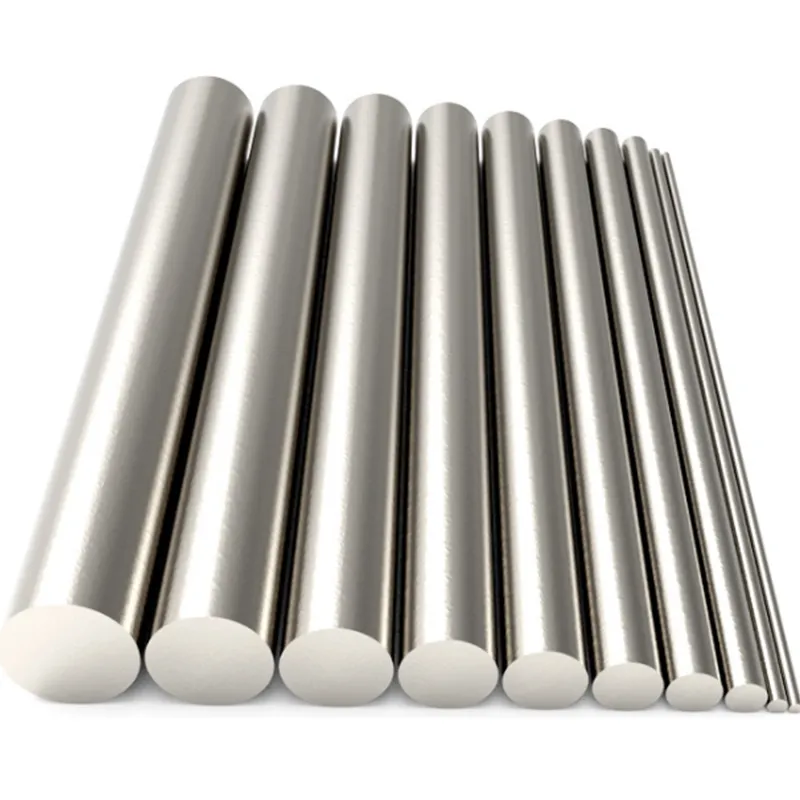
| Typical diameter | 3–500 mm |
| Standard lengths | 3,000 mm and 6,000 mm |
| Custom length | Saw-cut billets or fixed-length bars |
| Production condition | Hot rolled, forged, cold drawn, peeled, turned, or ground |
| Surface | Black, pickled, bright, polished, or precision ground |
| End preparation | Saw-cut, faced, chamfered, or center-drilled |
| Documents | Mill Test Certificate and inspection records |
Available dimensions depend on the material grade, production route, heat-treatment condition, and required tolerance.
Two round bars with the same steel grade can perform differently during machining. Their production condition affects diameter accuracy, surface quality, straightness, and the amount of material that must be removed.
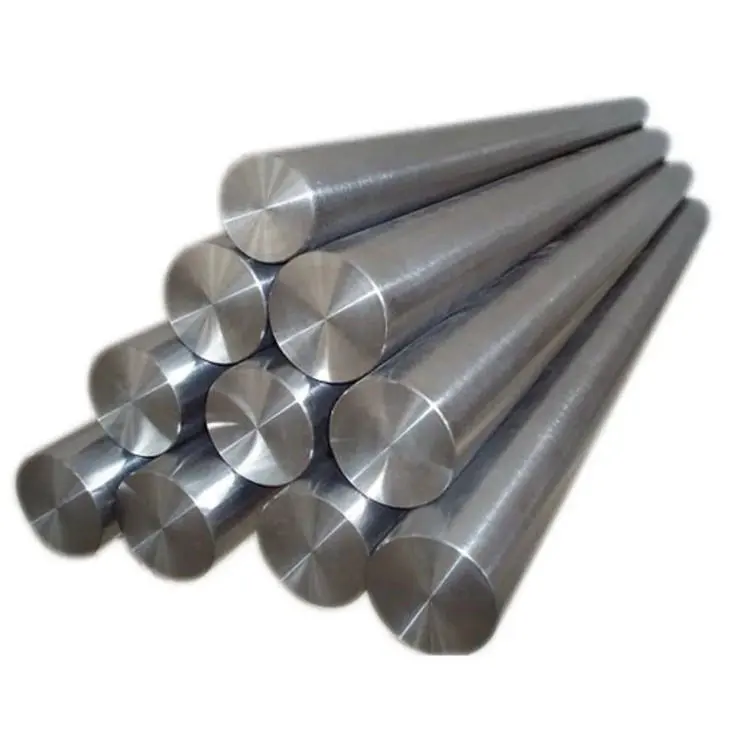
Hot-rolled round bar is a practical choice for general parts, welded fabrication, and components that require further turning. It usually has a darker mill surface and a wider dimensional tolerance.
Forged round bar is suitable for large diameters, heavy-duty parts, and components that require high strength. Buyers may request ultrasonic testing for critical applications.
Cold-drawn round bar provides a smoother surface and tighter dimensions. Therefore, it works well for automatic lathes, pins, fasteners, and repeat production.
Peeled or turned bar has the outer scale and shallow surface defects removed. It provides a clean diameter with machining allowance for later finishing.
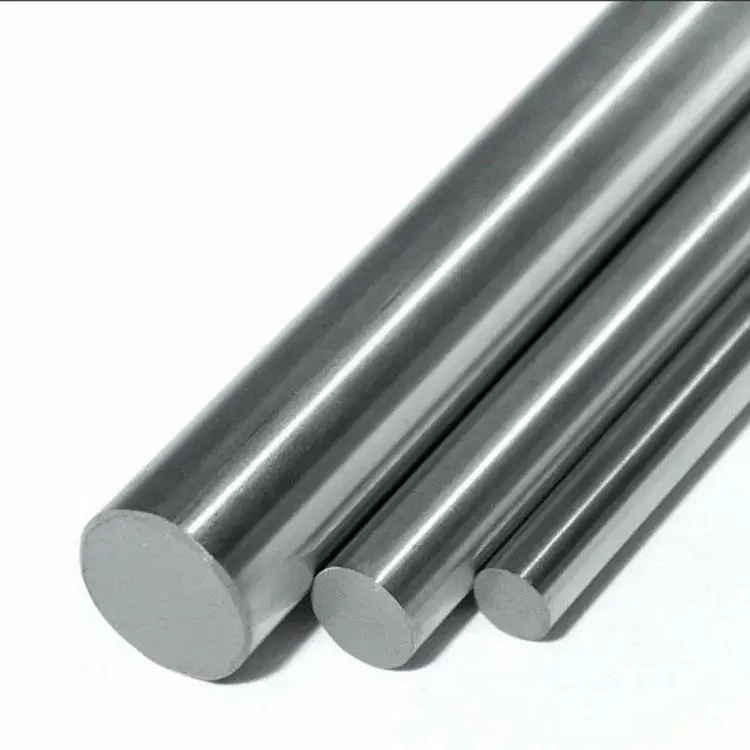
Precision-ground round bar offers closer diameter control and a smooth surface. It is commonly used for shafts, guides, bearings, seals, and linear-motion components.
Buying a bar too close to the finished diameter can create rejection risks. Surface scale, decarburization, small seams, or straightness variation may require additional material removal.
In contrast, excessive allowance increases cycle time, tool wear, scrap, and finished-part cost.
The required starting diameter should consider:
Finished component diameter
Turning or grinding allowance
Surface defect removal
Heat-treatment distortion
Required concentricity
Final tolerance
Batch machining method
Bar-feeder capacity
For turned components, buyers should provide the finished drawing and expected processing route. ZES Metals can then recommend a suitable bar condition and starting diameter.
Poor straightness can cause vibration, noise, and feeding problems in CNC lathes. It may also reduce concentricity during long production runs.
Straightness should be stated as a measurable deviation over a defined length. Terms such as “machine straight” or “good straightness” may not provide a clear acceptance rule.
Important geometry checks include:
Actual diameter
Diameter variation
Ovality
Straightness
Cut length
End squareness
End burr
Surface roughness
Bars used for shafts or automatic feeding may require straightening, centerless grinding, and individual inspection before packing.
1045 or C45 carbon steel provides higher strength and hardness than low-carbon structural steel. It is widely used for shafts, gears, pins, axles, and machine parts.
4140 or 42CrMo4 alloy steel combines strength, toughness, and heat-treatment capability. It is suitable for high-load shafts, fasteners, tooling, and heavy equipment.
303 stainless steel offers improved machinability for high-volume turned parts. However, it is not normally selected for welding or demanding marine exposure.
304 and 304L stainless steel provide good corrosion resistance and fabrication performance. They suit food equipment, fittings, brackets, and general machinery.
316 and 316L stainless steel provide better resistance to salt and chloride. Therefore, they are often used for marine fittings, pumps, valves, chemical equipment, and coastal machinery.410 and 420 stainless steel can be heat-treated for higher hardness and wear resistance.
17-4PH stainless steel offers high strength and useful corrosion resistance for aerospace, energy, valve, and heavy mechanical parts.
Grade selection should follow the final working environment, heat treatment, mechanical load, welding process, and applicable standard.
Our steel grade and application guide provides further information about matching material properties to service conditions.
Control Surface and Internal DefectsInspection options can include:
The inspection scope should match the final part. A decorative rod and a high-load pump shaft do not require the same testing plan.
Heat Treatment and Hardness Control
Heat treatment affects hardness, machinability, toughness, and dimensional stability. Therefore, the purchase order should state both the grade and delivery condition.
For repeat machined parts, buyers may also define an acceptable hardness range. This helps reduce changes in cutting speed, chip formation, tool wear, and finished surface quality between batches.
Cut-to-Length and Bar Preparation Services
Available processing services include:
Product marking
Applications of Steel Round Bar
Steel round bar is used in many B2B manufacturing sectors:Motor shafts
Hydraulic components
Fasteners and threaded parts
Rollers and guide pins
Mining machinery
Marine fittings
Construction anchors
Tooling components
Medical equipment
Energy equipment
CNC-turned parts
Traceability and Batch Consistency
Each qualified batch can be linked to a heat number and Mill Test Certificate. Material records may include chemical composition, mechanical properties, hardness, heat treatment, and test results.A first-article bar or sample billet helps confirm diameter, hardness, surface condition, machining performance, and packaging before bulk release.
Export Packaging for Finished Bars
Hot-rolled bars are normally packed in reinforced bundles with steel straps. Bright, polished, and ground bars require additional protection.
Protective oil
Waterproof wrapping
Paper or foam separators
End caps
Wooden cases
Reinforced steel frames
Each package can show the grade, diameter, length, heat number, quantity, net weight, and purchase order reference.
Please provide the material grade, standard, diameter, length, quantity, delivery condition, hardness, tolerance, straightness, surface, testing, and destination.
For machined parts, include the finished drawing, machining allowance, heat-treatment process, and required inspection documents.
Frequently Asked Questions
Can steel round bars be cut to fixed lengths?
Yes. Full-length bars, short billets, and batch-cut components are available.Which bar condition is suitable for CNC turning?
Cold-drawn, peeled, turned, or ground bars are common options. The final choice depends on tolerance, surface, straightness, and machining allowance.
Can you supply carbon, alloy, and stainless steel bars?
Yes. Several material families and grades are available for general and demanding applications.
Are ultrasonic and PMI tests available?
Yes. Testing can be arranged according to the grade, diameter, application, and purchase contract.
How are polished bars protected during shipping?
They can receive plastic sleeves, protective oil, separators, waterproof wrapping, and wooden-case packaging.