Product Introduction
Source stainless steel rods in custom grades, diameters, lengths, and finishes for shafts, fasteners, valves, machinery, and precision-turned parts.
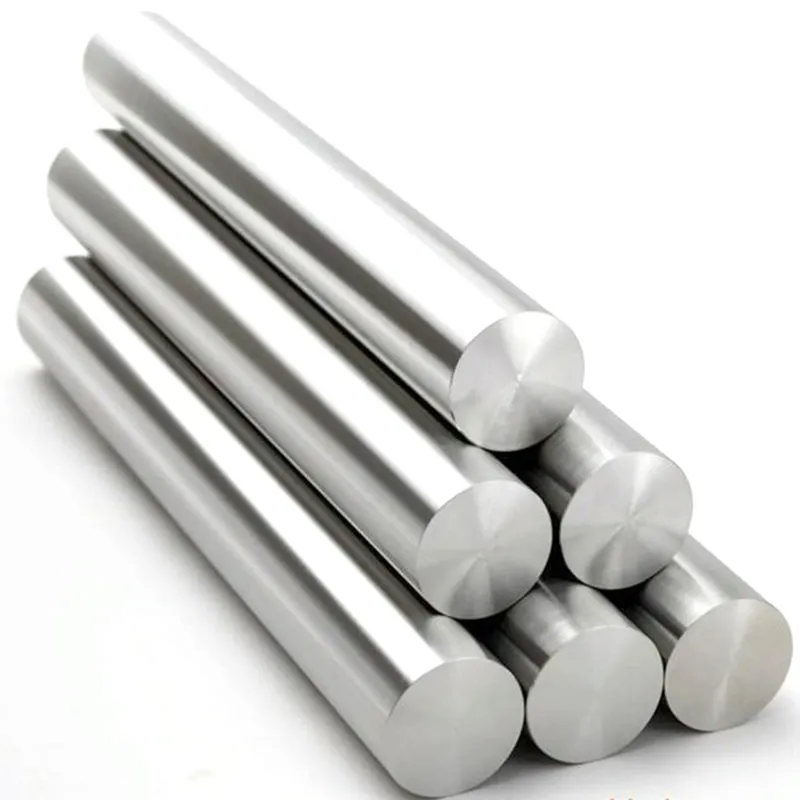


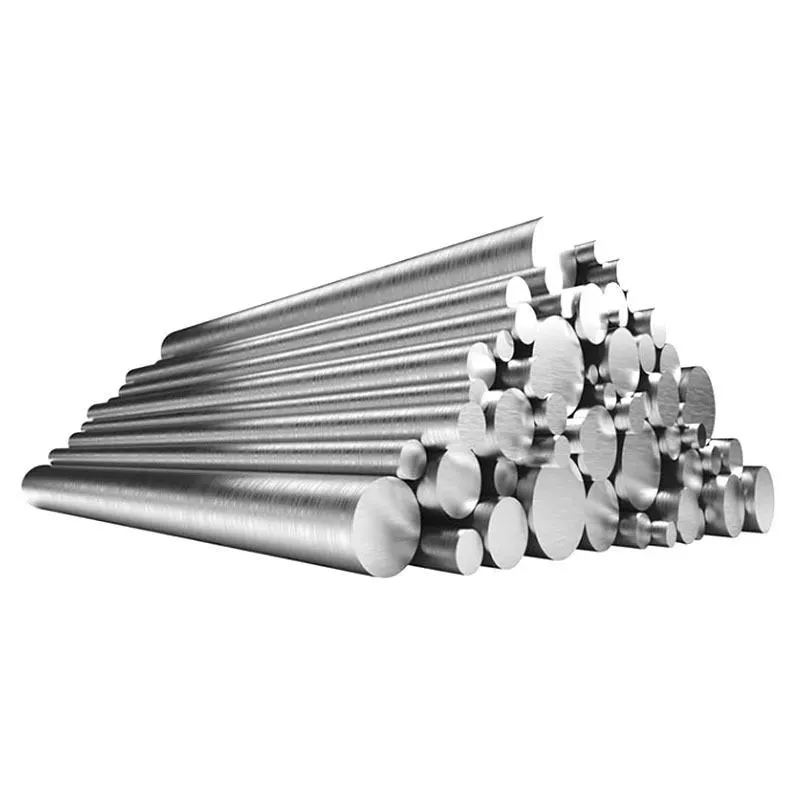
Stainless steel rods are solid metal bars designed for machining, forming, welding, and structural use. They combine dependable strength with good resistance to corrosion. As a result, manufacturers use them to produce shafts, pins, fasteners, valves, fittings, and many other parts.
We supply stainless steel rods in standard and custom grades, diameters, lengths, and surface conditions. Hot rolled, cold drawn, peeled, polished, and precision-ground products are available. Moreover, we can provide cutting and machining services to reduce work at the buyer’s factory.
Our product range supports general fabrication, automatic machining, and high-load mechanical applications.
| Product Item | Available Options |
| Material grades | 304, 304L, 316, 316L, 310S, 321, 410, 420, 431, 17-4PH, 2205 |
| Cross-section | Round, square, hexagonal, or custom |
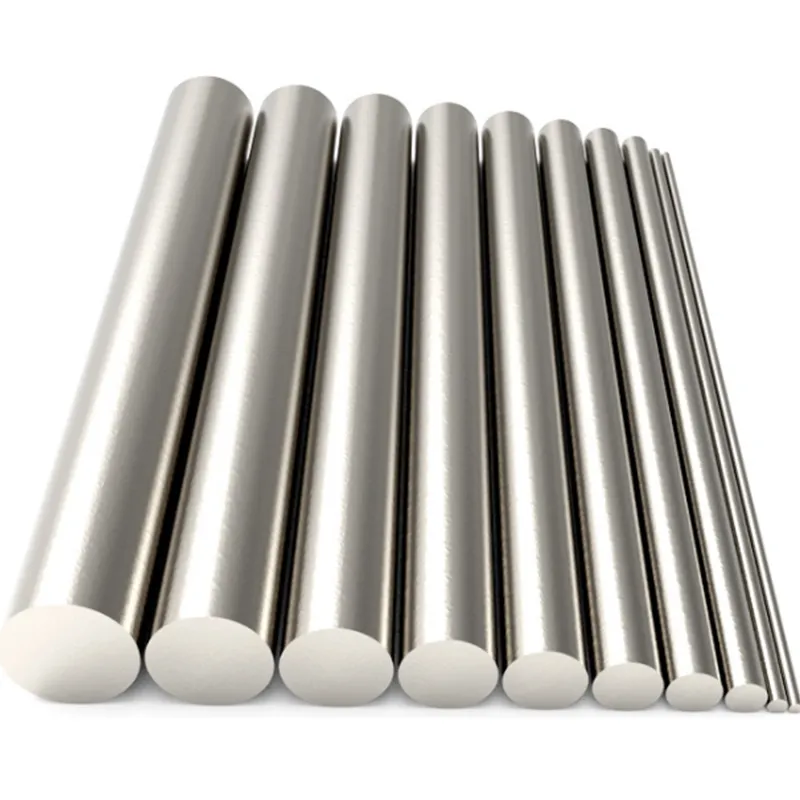
| Typical diameter | 3–500 mm |
| Length | Standard, fixed, or custom length |
| Production method | Hot rolled, forged, cold drawn, peeled, or ground |
| Surface | Black, pickled, bright, peeled, polished, or ground |
| Tolerance | Standard or precision tolerance |
| End condition | Saw-cut, chamfered, faced, or custom-machined |
| Standards | ASTM A276, ASTM A479, EN 10088-3, or agreed specification |
| Documentation | Mill Test Certificate and inspection records |
Exact dimensions and tolerances are confirmed according to the grade, diameter, production route, and application.
Different grades provide different mechanical and corrosion properties. Therefore, the correct choice depends on the operating environment and final component.
304 and 304L stainless steel rods offer good formability, weldability, and general corrosion resistance. They are suitable for machine parts, fittings, brackets, food equipment, and architectural components.
316 and 316L stainless steel rods contain molybdenum for improved resistance to salt and chloride. They are often selected for marine hardware, chemical equipment, pumps, valves, and pharmaceutical machinery.
410 and 420 stainless steel rods can be heat-treated for greater hardness. As a result, they are useful for shafts, tools, wear parts, and components exposed to friction.
17-4PH stainless steel rods provide high strength with useful corrosion resistance. Common applications include aerospace parts, valve stems, fasteners, and heavy mechanical components.
2205 duplex stainless steel rods combine high strength with strong resistance to pitting and stress corrosion. They are suitable for offshore, chemical, water treatment, and energy projects.
The manufacturing process affects dimensional accuracy, surface quality, and machining performance.
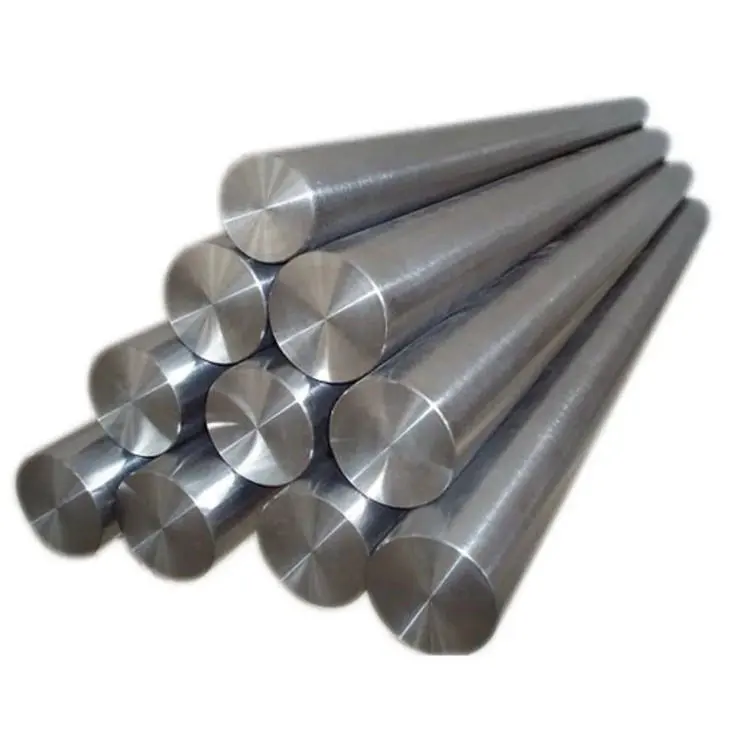
Hot rolled stainless steel rods are suitable for general parts and heavy fabrication. They are a practical option when later machining will remove the outer surface.
Cold drawn rods offer tighter dimensions and a smoother finish. In addition, the cold working process can improve strength and hardness.
Peeled rods have the outer scale and surface defects removed by machining. Therefore, they provide a clean surface and stable diameter for further processing.
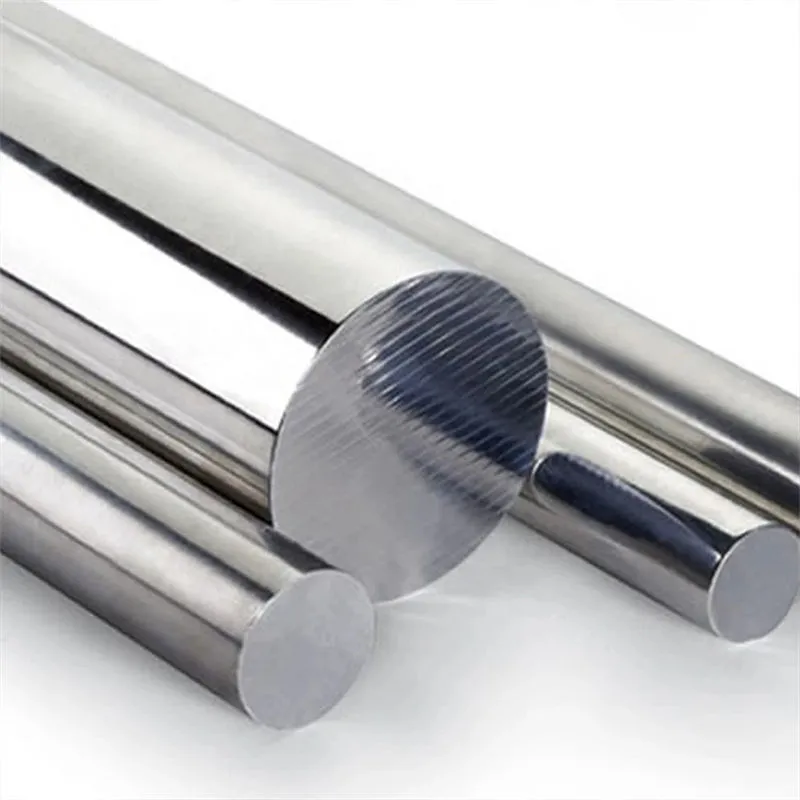
Precision-ground rods offer close dimensional control, good straightness, and a smooth finish. They are ideal for shafts, bearings, linear motion parts, and other close-fit components.
Reliable bar stock helps reduce tool wear, setup changes, and rejected parts. For this reason, we control diameter, straightness, surface condition, and material consistency throughout production.
Stainless steel rods can be processed by:
For high-volume machined parts, buyers can specify the required straightness, tolerance, hardness, and bar length. This allows the material to feed more smoothly through automated equipment.
Stainless steel rods are used as raw material for both simple and complex components.
Machinery manufacturers turn them into shafts, pins, rollers, guide posts, and connecting parts. Pump and valve companies use stainless rods for stems, spindles, fasteners, and internal components.
Automotive and transport companies use them for threaded parts, fittings, supports, and precision-turned products. Meanwhile, food and pharmaceutical equipment makers select corrosion-resistant grades for hygienic machinery.
Other common applications include:
Standard mill lengths may not suit every production line. Therefore, we provide further processing based on drawings or bills of materials.
Available services include:
Cut-to-size rods can reduce material waste and handling time. They also allow buyers to move more quickly into machining or assembly.
Each batch is inspected before shipment. The inspection plan can be adjusted according to the product grade and end use.
Available checks include:
Heat numbers connect the finished rods to their production records. EN 10204 Type 3.1 Mill Test Certificates can be supplied with qualified orders. Third-party inspection is also available when included in the contract.
Stainless steel rods must be protected from moisture, impact, and contact with carbon steel. Products can be packed in waterproof bundles, wooden cases, or reinforced steel frames.
Precision-ground and polished rods can receive plastic sleeves, protective oil, or separators. In addition, each package can be marked with the grade, diameter, length, heat number, quantity, and order reference.
We support bulk purchasing, mixed-size orders, scheduled shipments, and repeat supply programs for overseas manufacturers.
Please provide the required grade, diameter, length, quantity, surface condition, tolerance, and intended use. For processed components, drawings or machining details are helpful.
Our team will review the requirements and provide a suitable production method, inspection plan, packaging solution, and quotation.