Product Introduction
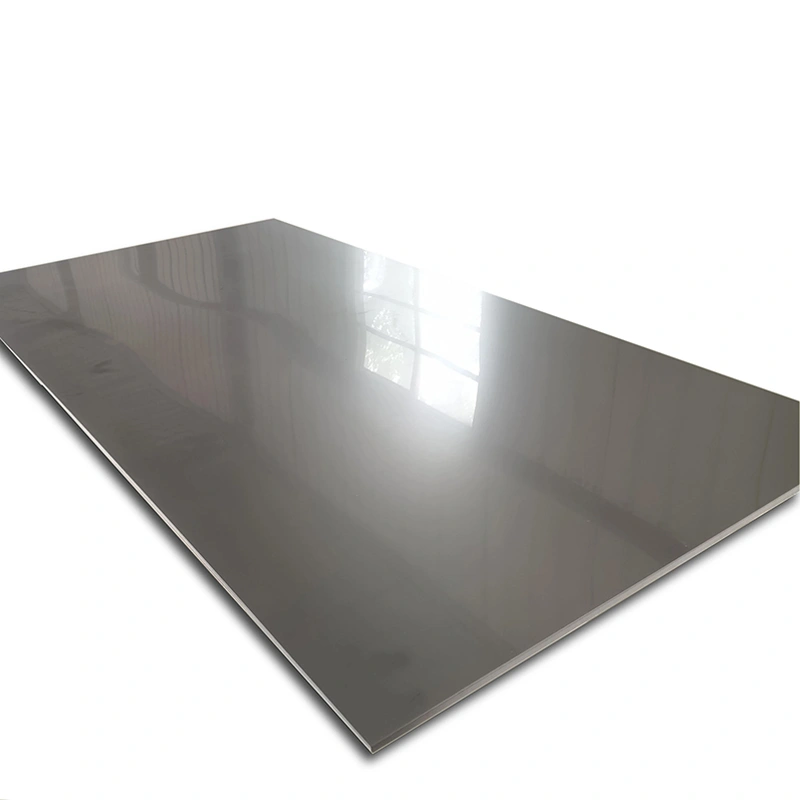
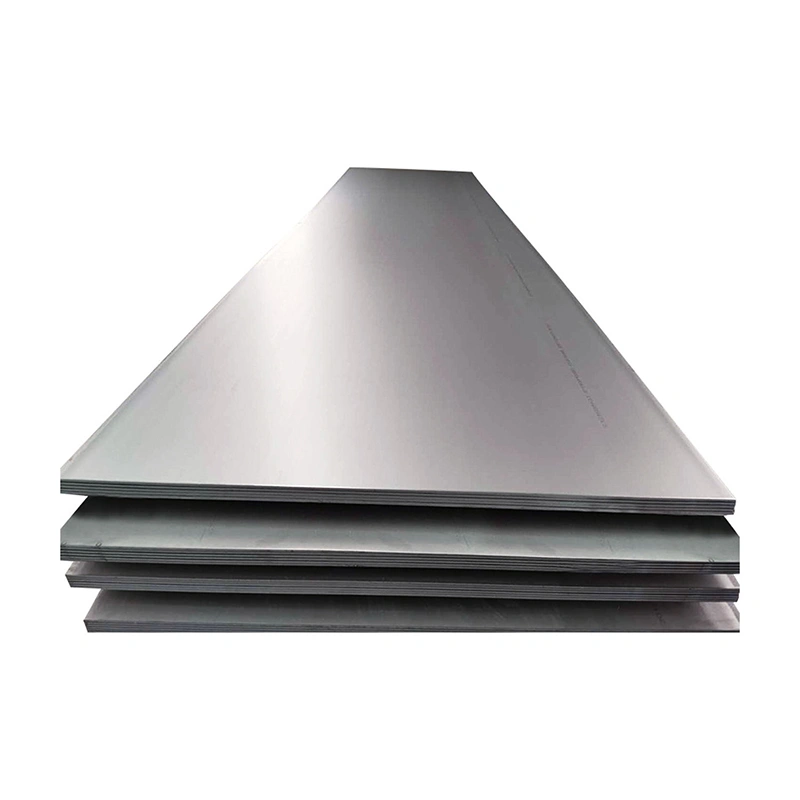
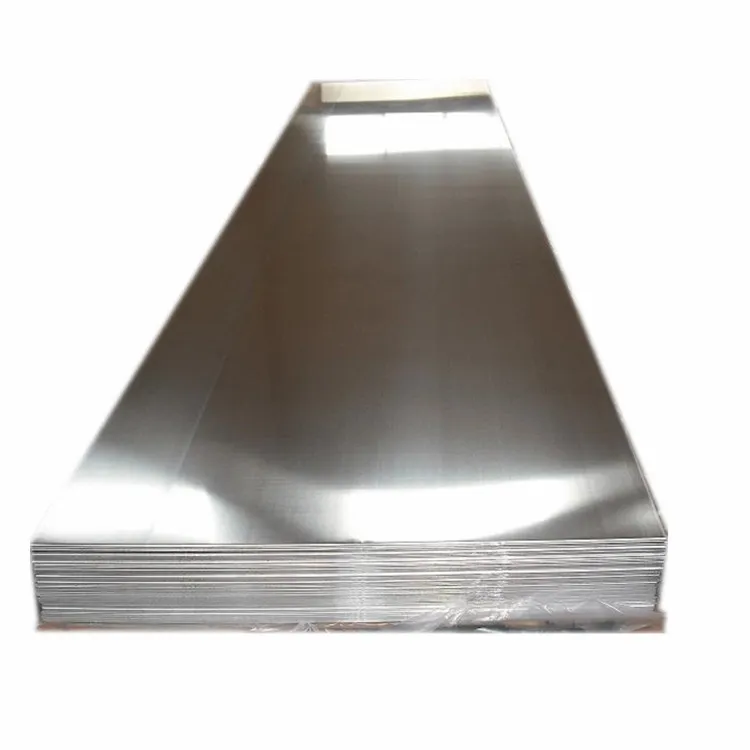
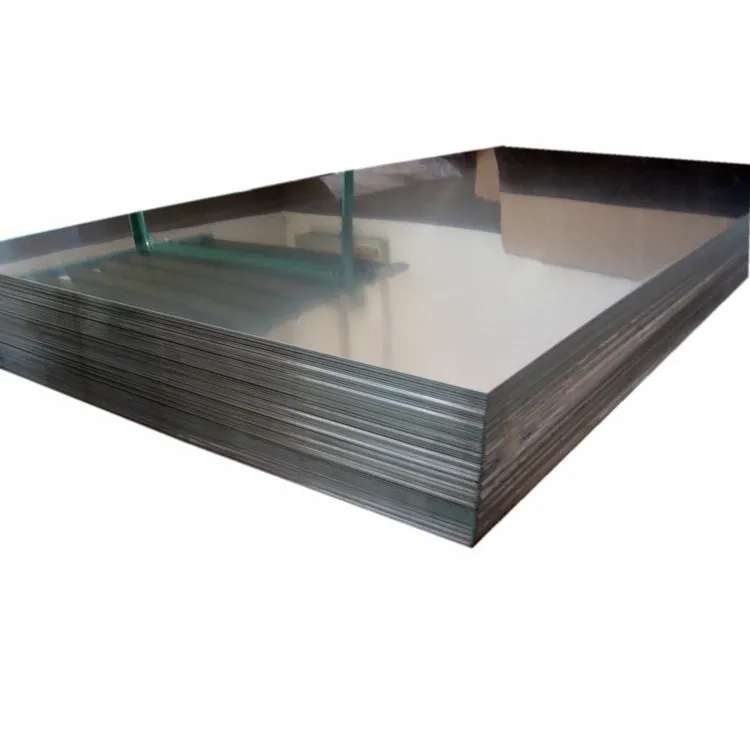
304 Stainless Steel Plate
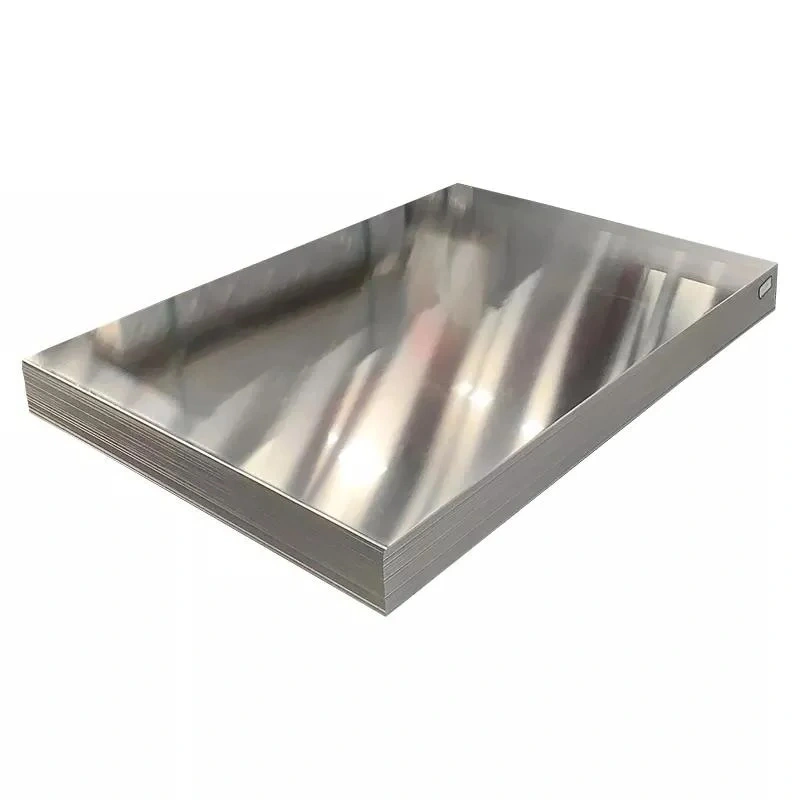


A stainless steel sheet may meet the correct grade and thickness but still create problems during production. Poor flatness can affect laser cutting. Surface marks may make decorative panels unusable. In addition, mixed grades can create serious risks in chemical, food, marine, and pharmaceutical equipment.
ZES Metals supplies stainless steel sheets with controlled dimensions, surface condition, and material traceability. We serve equipment manufacturers, sheet metal fabricators, contractors, distributors, and OEM buyers. Full sheets, custom blanks, and processed components are available for trial orders and regular purchasing programs.
Our sheet range covers functional industrial parts, hygienic equipment, formed components, and visible panels.
| Product Item | Supply Options |
| Common grades | 201, 304, 304L, 316, 316L, 310S, 430, and 2205 |
| Production route | Cold rolled or hot rolled |
| Typical sheet thickness | 0.3–6.0 mm |
| Standard widths | 1,000, 1,219, 1,500, and 2,000 mm |
| Standard lengths | 2,000, 2,438, 3,000, and 6,000 mm |
| Surface finishes | No.1, 2B, BA, No.4, hairline, and mirror |
| Supply format | Full sheet, cut blank, strip, or processed part |
| Edge condition | Mill edge, slit edge, sheared, or deburred |
| Protection | Paper interleaving or PE film |
| Standards | ASTM A240/A480, EN 10088-2, JIS G4305 |
| Documents | Mill Test Certificate and inspection records |
Thicker stainless steel plates and special dimensions are available after technical review. Exact size availability depends on the grade, surface, and production method.
Terms such as “good surface” or “flat sheet” are too broad for a commercial purchase order. Different factories may interpret them in different ways.
A clear specification should state:
Stainless steel grade
Applicable material standard
Thickness tolerance
Width and length tolerance
Flatness requirement
Surface finish
Finished side
Grain direction
Edge condition
Protective film
Permitted surface defects
Inspection method
If the sheet will remain visible, buyers should approve a surface sample before bulk production. If the sheet will be formed or welded, the specification should also include mechanical properties and fabrication requirements.
Flatness affects more than appearance. A bowed sheet may move on a laser-cutting table, create focus changes, or reduce cutting accuracy. Edge wave and center buckle can also affect automated feeding, stamping, and bending.
Flatness requirements should match the final process. A machine cover may accept standard mill flatness. However, a long decorative panel or precision enclosure may need leveling and a tighter agreed tolerance.
Inspection can use a calibrated straightedge, feeler gauge, flat inspection surface, or laser measuring system. The purchase contract should state the measurement length, sheet position, sampling rate, and maximum permitted deviation.
When very tight flatness is required, buyers should confirm feasibility before placing the order. Additional leveling and handling may affect price and lead time.
Surface appearance cannot confirm a stainless steel grade. For example, 304 and 316L sheets may look almost identical, although their performance in chloride environments is different.
304 stainless steel sheet offers good corrosion resistance, formability, and weldability. It is widely used for food equipment, cabinets, tanks, machine covers, and general fabrication.
304L sheet
has lower carbon content. Therefore, it is suitable for welded assemblies where corrosion resistance near the weld zone is important.316 and 316L sheet
contain molybdenum for better resistance to salt and chloride. These grades are often used in marine, chemical, pharmaceutical, and coastal applications.430 stainless steel sheet
is magnetic and supports many appliance, kitchen, and decorative applications. For high temperatures, buyers may select310S
. Meanwhile, 2205 duplex stainless steel offers higher strength and strong resistance to pitting and stress corrosion.Heat numbers and Mill Test Certificates provide batch traceability. Positive Material Identification can also be arranged when required by the order.Approve the Surface Finish
A 2B finish provides a smooth and practical surface for tanks, machinery, food equipment, and general fabrication.
A BA finish is brighter and more reflective. It is suitable for appliances, clean equipment, lighting products, and visible components.
A No.4 finish has a consistent brushed grain. It is widely used for commercial kitchens, worktables, elevators, and interior panels.
A hairline finish provides a longer and finer linear pattern for doors, wall panels, and architectural products.
A mirror finish offers high reflectivity for decorative interiors, signs, and premium displays. However, it requires careful handling because small scratches remain visible.
Buyers can compare these options in our stainless steel sheet finish guide.
For repeat decorative orders, an approved physical sample is more reliable than a finish name alone. The sample can define brightness, grain, color, reflectivity, and acceptable defects.
Protect the Finished SurfaceProtective film helps reduce scratches during cutting, bending, transport, and installation. However, the film must match the next process.
Film thickness
Adhesion level
Laser-cutting compatibility
Printed or plain film
Outdoor exposure time
Removal method
Required film color
Paper interleaving is another option for bright sheets. It can reduce rubbing between sheets during transport and warehouse handling.
Improve Usable Material Yield
The lowest price per ton does not always create the lowest finished-part cost. Surface rejection, oversized blanks, and cutting waste can reduce the usable yield of each sheet.
Cut-to-length processing
Laser-cut blanks
Waterjet cutting
Hole and slot cutting
Edge deburring
Surface brushing
Mirror polishing
Bending and forming
Protective film application
For continuous stamping or roll-forming lines, buyers can source matching
stainless steel coils
with specified width, edge, coil weight, and finish.First-Article and Batch Inspection
A first-article sheet or processed part helps confirm the specification before full production. This is useful for decorative panels, tight-tolerance blanks, and formed components.Thickness
Width and length
Flatness
Surface appearance
Grain direction
Film adhesion
Cut dimensions
Edge quality
Packaging method
Batch inspection can include chemical composition, mechanical properties, dimensions, surface condition, flatness, and quantity. Third-party inspection is available when included in the purchase contract.
Applications for Stainless Steel Sheet
Our stainless steel sheets support a wide range of B2B applications:
Commercial kitchens
Pharmaceutical machinery
Chemical tanks
Electrical enclosures
HVAC systems
Elevator panels
Architectural interiors
Appliance housings
Marine equipment
Water treatment systems
Automotive components
Medical furniture
Industrial machine covers
custom stainless steel flat steel
.Export Packaging and Identification
Stainless steel sheets require protection from moisture, scratches, and bent corners. Packaging may include PE film, interleaving paper, waterproof wrapping, edge guards, reinforced pallets, steel straps, and wooden cases.ZES Metals supports mixed specifications, custom blanks, scheduled shipments, and repeat supply programs for international buyers.
Request a Stainless Steel Sheet Quotation
Please provide the grade, standard, thickness, width, length, finish, quantity, tolerance, film requirements, and delivery destination.
Our team will review the specification and provide a material proposal, processing plan, quality method, packaging solution, lead time, and quotation.
Frequently Asked Questions